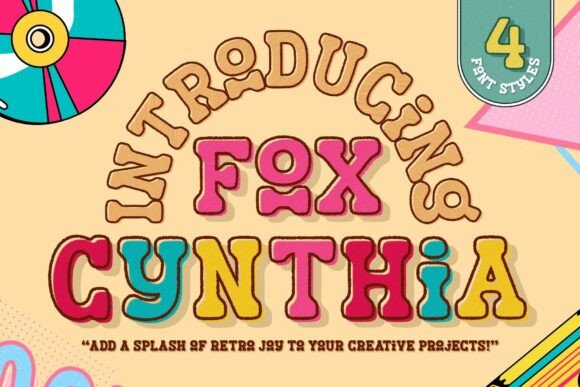
Fox Cynthia Font: A Playful Way to Bring Back the Groovy Vibe
If you're looking to inject some nostalgic energy into your design projects, Fox Cynthia might just be the font family you need. With its quirky curves, chunky serifs, and bold 70s-inspired style, Fox Cynthia offers a fresh take on retro typography that’s both fun and functional. It's not just about aesthetics—it's about making an impression. From branding materials to social media posts, this versatile font can help your designs stand out in a crowd.
Why Choose Fox Cynthia?
Fonts are more than just letters—they shape how people perceive your message. Fox Cynthia is crafted for those who want to add character without sacrificing readability. Its unique styles—Regular, Strokes, Outline, and Shadow—allow you to experiment with different looks while maintaining a cohesive theme. Whether you're creating a vintage poster or designing modern merchandise with a retro twist, Fox Cynthia delivers a sense of authenticity and charm.
This font is especially popular among creatives working in marketing, branding, and event design. Its playful yet professional appearance makes it suitable for both whimsical greeting cards and high-energy promotional flyers. The key is knowing how to use it effectively so it enhances rather than distracts from your message.
Common Mistakes When Using Fox Cynthia
One common mistake is using all four styles together in a single project. While it might seem like a great way to show off the font's versatility, overuse can lead to visual clutter. For example, if you pair the Shadow and Outline styles in one headline, it may become too busy and lose impact. Instead, consider using them separately in different parts of your layout to maintain clarity and focus.
Another frequent oversight is ignoring the font’s intended purpose. Fox Cynthia shines brightest when used for headlines or large text where its boldness and character can be appreciated. Using it for body copy or small text is generally discouraged, as it may reduce legibility. Always match the font to the context. If you're writing a long article, save Fox Cynthia for the title or section headers only.
Choosing the Right Style for Your Project
With four distinct styles to choose from, it’s easy to get confused. Let’s break down what each one does best:
- Regular: This is the base style and works well for most applications. Use it for logos, posters, or any place you want a strong, readable statement.
- Strokes: Adds texture and depth. Ideal for adding interest to backgrounds or textured prints.
- Outline: Great for layered effects or when you want the text to pop against busy images.
- Shadow: Perfect for giving your text a three-dimensional feel. Works especially well in digital mockups or print with subtle embossing.
Picking the right style starts with understanding your audience and the medium you’re working with. For instance, if you're designing a T-shirt for a music festival, the Shadow or Outline version could create a striking visual effect under stage lights. But if you're using it for a business card, stick to the Regular or Strokes variant to keep things clean and professional.
Design Tips for Better Results
Here are a few practical tips to avoid missteps and maximize the effectiveness of Fox Cynthia:
- Limit contrast in color schemes. Because Fox Cynthia has a lot of visual weight, pairing it with bright or contrasting colors can overwhelm the design. Stick to complementary hues or neutral backdrops to let the font do the talking.
- Don’t stretch or skew the font. Many designers try to make their text fit by stretching it horizontally or vertically. This can distort the proportions and make the font look unprofessional. If you need to adjust size or spacing, use scaling tools instead.
- Test it across platforms. Before finalizing a design, ensure that Fox Cynthia renders correctly on different screens and devices. Some systems may not support the full range of styles or special characters, which can affect your presentation.
Let’s say you’re designing a flyer for a retro-themed pop-up shop. You might use the Regular style for the main headline, then switch to Outline for subheadings. To highlight a sale date, the Shadow version adds a cool dimension. By strategically layering these styles, you create a dynamic layout that still feels unified.
Where to Use Fox Cynthia (and Where Not To)
Fox Cynthia is ideal for:
- Retro posters and flyers
- Fun branding and packaging for lifestyle products
- Social media graphics that need a vibrant edge
- T-shirt designs and other merchandise with a groovy vibe
- Greeting cards and motivational quotes
However, it’s less appropriate for:
- Long paragraphs of body text
- Formal documents or legal content
- Technical or educational materials where clarity is key
- Projects requiring a minimalist or modern aesthetic
For example, if you're creating a blog post about interior design, using Fox Cynthia for the title is fine, but using it for the entire article would likely frustrate readers. On the other hand, if you're launching a new line of retro-style apparel, Fox Cynthia can be a powerful branding tool when applied thoughtfully.
How to Evaluate and Compare Fox Cynthia to Other Fonts
When choosing a font, many users fall into the trap of picking based on first impressions alone. While Fox Cynthia is undeniably eye-catching, it’s important to compare it with other options to ensure it aligns with your overall brand voice and design goals.
Ask yourself questions like: Does this font reflect the tone I’m trying to convey? Will it work across all the platforms where it will appear? Is it scalable and responsive? These considerations help you avoid impulsive choices and opt for something that truly serves your needs.
A good comparison might be between Fox Cynthia and other retro fonts like ChunkFive or Bangers. While they share similar vibes, Fox Cynthia offers more stylistic variety and better readability at larger sizes. This makes it a more flexible option for multi-purpose design projects.
Before You Download or Buy Fox Cynthia
Make sure to check the licensing agreement before downloading or purchasing Fox Cynthia. Some fonts have restrictions on commercial use or require attribution. Others allow unlimited usage across personal and business projects. Knowing these details upfront helps you avoid potential issues later, especially if you plan to use it in client work or sell branded items.
You should also verify whether the font includes special characters, ligatures, or alternate glyphs. These features can significantly enhance your typographic creativity. If you're designing anything that requires emojis or extended punctuation, double-check compatibility.
Real-World Applications and Examples
Let’s look at a few real-life scenarios where Fox Cynthia has been successfully used:
- Marketing Campaigns: A local record store used Fox Cynthia in their summer promotion campaign. The bold, vintage look helped attract attention in both online ads and physical storefront displays.
- Merchandise Design: A boutique selling retro-inspired accessories incorporated Fox Cynthia into their product packaging. The playful yet elegant style resonated with their target demographic and boosted customer engagement.
- Social Media Graphics: A blogger with a 70s fashion theme uses the Shadow style of Fox Cynthia in Instagram stories and cover photos. The layered effect gives her content a tactile, vintage appeal that stands out in the feed.
These examples illustrate how thoughtful application of the font can elevate a project’s visual impact. The trick is to balance its retro flair with the rest of your design elements to create harmony and clarity.
Getting Started with Fox Cynthia
Once you’ve decided to incorporate Fox Cynthia into your work, start by exploring its variations in isolation. Open a design file and test each style with different color combinations and spacing settings. Once you understand how it behaves, you can begin integrating it into your layouts.
For beginners, it’s wise to start with simpler projects—like a logo or a short quote graphic—to build confidence. More experienced designers can push the boundaries by combining Fox Cynthia with other fonts or using advanced layering techniques to create custom effects.
Remember to always pair it with a solid background and enough white space to prevent overcrowding. A clean layout allows the font to shine without overwhelming the viewer.
Final Thoughts
Fox Cynthia is a standout font for anyone looking to infuse their designs with retro charm and playful energy. But like any tool, it’s most effective when used with intention. Avoid the temptation to use it everywhere, and instead, focus on areas where it can make the biggest impact. Check licensing, test across platforms, and always prioritize readability alongside style.
By doing so, you’ll not only avoid common pitfalls—you’ll also unlock the full creative potential of this fantastic font family. Add Fox Cynthia to your toolkit and bring a touch of 70s nostalgia to your next big project.