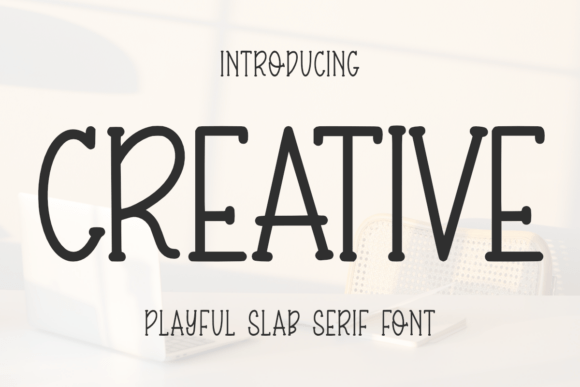
Creative Font: A Playful Addition to Your Design and Crafting Workflow
When it comes to creative projects, the right tools can make all the difference. One such tool that often goes unnoticed but plays a crucial role in visual appeal is typography. Among the many fonts available, Creative stands out as a versatile and charming option for a wide range of applications—from digital planners to handcrafted greeting cards. Its playful yet readable style makes it ideal for both personal and professional use, especially in niches like Cricut design, sublimation printing, and DIY crafts.
What Makes Creative a Unique Choice?
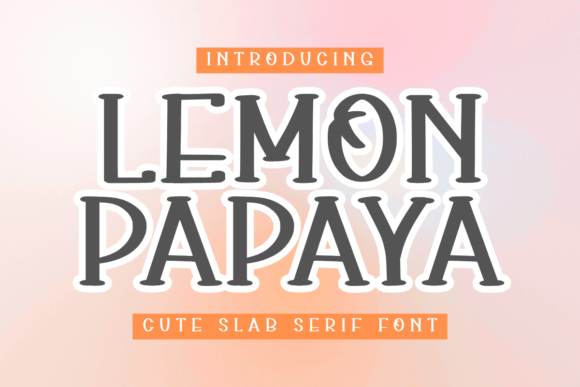
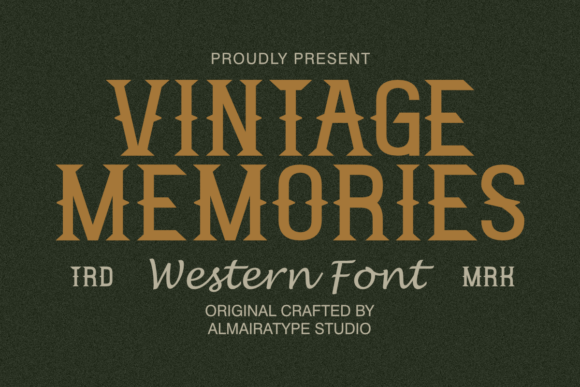
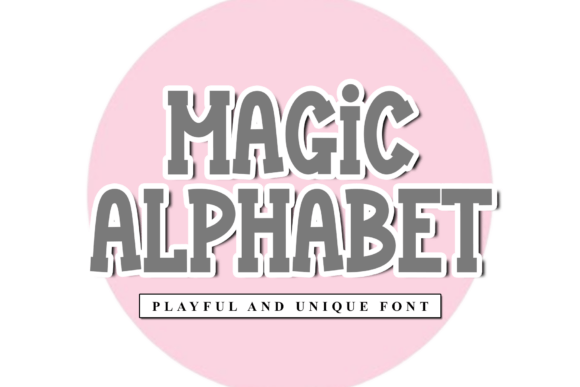
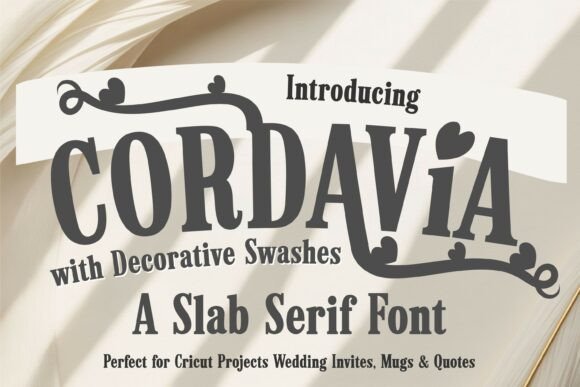
Creative is more than just a font; it’s a design element that adds personality to your work. With its rounded edges and whimsical curves, it evokes a sense of friendliness and approachability. This characteristic makes it perfect for projects where warmth and creativity are key, such as children's products, social media content, or branding materials for small businesses targeting lifestyle markets.
While there are countless fonts available online, Creative distinguishes itself by balancing fun with functionality. It doesn’t sacrifice legibility for flair, which means you can use it confidently in text-heavy designs without worrying about readability issues. Whether you're creating printable stickers, custom T-shirts, or illustrated planner pages, this font complements your visuals while maintaining clarity.
Before You Start: Choosing the Right Font for Your Vision
Before diving into any project—especially one involving text—consider the overall aesthetic you want to achieve. Creative is best suited for projects that require a light-hearted or artistic touch. If your brand or product leans towards minimalism or formal presentation, you might need a different font. However, if your goal is to add charm and character, then Creative could be the perfect fit.
To ensure compatibility, always check whether the font works well with the software or platform you’re using. For instance, when working with Cricut, confirm that the font supports cut files and is properly licensed for commercial use if needed. Similarly, for sublimation projects, test how the font renders on various surfaces to maintain its integrity under heat and pressure.
During the Project: Enhancing Visuals and Usability
Once you've selected Creative, start integrating it into your workflow. In digital crafting tools like Canva, Adobe Illustrator, or Procreate, it adds an eye-catching detail that can elevate simple designs. When used in conjunction with other fonts, it helps create contrast and hierarchy—important elements in guiding the viewer’s attention.
For those who love paper-based crafts, such as scrapbooking or handmade cards, Creative is also compatible with cutting machines like Cricut and Silhouette. The font’s unique curves and strokes translate beautifully into physical form, making it ideal for layered text effects, borders, or decorative titles.
- Use in Planners: Add motivational quotes or headers using Creative for a cheerful look.
- Sticker Designs: Pair it with illustrations or icons to create cohesive, themed stickers.
- Greeting Cards: Use it for personalized messages or titles to give your cards a warm, inviting feel.
After Completion: Reviewing and Refining Your Use of Creative
Once your project is done, take a moment to review how the font contributed to the final outcome. Does it still hold up at different sizes? Is it clear enough for the intended audience? These are important considerations for long-term usability and consistency across your portfolio or product line.
If you're using Creative in a recurring format—like a monthly planner template or branded merchandise—make sure it aligns with your overall design system. Consistency in typography helps build recognition and trust, so consider saving font pairings and color combinations for future use.
How Creative Works with Other Tools and Resources
The beauty of Creative lies in its ability to work seamlessly with other design components. Here’s how it integrates into common creative workflows:
With Cricut and Cutting Machines
Cricut users will find that Creative is highly adaptable for cut file creation. Whether you're making vinyl decals, wood signs, or fabric appliqués, this font maintains its shape and clarity even when scaled down. To maximize efficiency, store your most-used Creative phrases as saved text elements within your Cricut Design Space library. This way, you can reuse them quickly for consistent branding or design themes.
In Sublimation Projects
Sublimation printing requires high-quality vector graphics and clean lines. While Creative may not be the best choice for large blocks of text, it shines when used for short phrases, logos, or accents. Test print samples before moving to full-scale production to see how the font performs under heat transfer conditions. Adjust spacing and sizing as necessary to avoid distortion.
Pairing with Other Fonts
Combining Creative with a sans-serif or serif font can help balance the design. For example, pairing it with a bold, modern sans-serif like Montserrat or a classic serif like Georgia can create a harmonious contrast that enhances readability and visual interest. This method is especially effective in marketing materials or educational content where a mix of styles communicates both creativity and professionalism.
Practical Tips for Using Creative Effectively
- Use Sparingly for Impact: Because of its playful nature, overusing Creative can dilute its effect. Reserve it for headings, callouts, or decorative elements rather than body text.
- Test Across Media: Always preview how the font looks on different backgrounds and colors. Sometimes what looks good on screen doesn't translate well in print or on dark substrates.
- Stay Organized: Create a dedicated folder for Creative assets, including text templates, color variations, and saved layers. Organization saves time during repeated use.
- Check Licensing: Ensure that you have the appropriate rights for commercial use if you're planning to sell products featuring the font. Some free versions only allow personal use.
- Combine with Icons or Graphics: Creative pairs well with hand-drawn or cartoon-style icons. This combination helps unify the design language and keeps the theme cohesive.
Real-World Applications of Creative
Let’s explore a few practical scenarios where Creative can enhance your output:
Custom Stickers for Small Businesses
A boutique owner selling handmade candles might use Creative for sticker labels that read “Hand-Poured with Love” or “Natural Soy.” These short, impactful phrases benefit from the font’s friendly appearance, helping customers feel connected to the brand.
Personalized Greeting Cards
Wedding card designers or event planners often rely on Creative to craft elegant yet joyful messages. Phrases like “Congratulations!” or “Happy Anniversary” become more engaging when styled with this font, especially when paired with floral or watercolor illustrations.
Planner Pages and Bullet Journals
Freelancers and productivity enthusiasts who use bullet journals or digital planners appreciate Creative for its versatility in layout design. It can serve as the main header font for sections like "Goals," "Habits," or "Monthly Themes." Just remember to keep the rest of the journal’s typography clean and easy to read to avoid visual clutter.
Educational Materials and Workshops
Teachers and workshop leaders can incorporate Creative into lesson plans, handouts, or promotional posters. For example, using it in headlines like “Creative Writing Workshop” or “DIY Craft Day” immediately conveys the tone and purpose of the activity.
Factors to Consider for Long-Term Use
While Creative is a powerful asset in your design toolkit, successful integration depends on several factors:
- Preparation: Know your project goals before selecting the font. Is it for a client or personal use? Will it be printed or digital?
- Compatibility: Confirm that the font works with your preferred design software and hardware. Some fonts may not render correctly on certain platforms.
- Usability: Keep the font readable. Avoid using it in small sizes unless absolutely necessary.
- Organization: Maintain a library of Creative-based designs for quick access in future projects.
- Efficiency: Streamline your process by reusing proven layouts and font pairings to save time.
- Consistency: Apply the same styling rules each time you use Creative to maintain a professional appearance.
- Quality Control: Inspect printed or digital outputs to ensure the font remains crisp and clear.
By considering these elements early in your workflow, you’ll avoid unnecessary revisions and ensure your designs remain high-quality and on-brand.
Getting Started with Creative Today
Ready to bring a touch of playfulness into your next project? Here’s how to begin:
- Download the Creative font from a trusted source like Etsy, Creative Market, or Google Fonts.
- Install the font on your computer and open your preferred design application (e.g., Photoshop, Illustrator, or Cricut).
- Create a sample project using Creative to understand how it behaves in different contexts.
- Save your favorite Creative combinations and apply them to new projects consistently.
- Share your work with others to get feedback and refine your usage further.
This structured approach allows you to experiment safely and integrate the font effectively into your routine. As with any design element, practice and iteration will help you discover what works best for your style and audience.
Final Thoughts on Workflow Integration
Creative isn’t just another font—it’s a strategic choice that can influence the mood, clarity, and success of your creative projects. By understanding where it fits best and how it interacts with other tools, you can leverage its strengths to produce more engaging and visually appealing content. Whether you're designing for KDP, planning a personal project, or preparing educational resources, Creative offers a reliable way to infuse personality into your work.
As you continue to grow your creative practice, remember to treat fonts like any other resource: carefully selected, thoughtfully applied, and consistently reviewed for quality and impact. With these principles in mind, you’ll be able to use Creative to great effect in every step of your design journey.