Olive Feather: A Font That Elevates Creative Expression
Fonts are more than just tools for displaying text; they serve as the visual heartbeat of any design. Among the countless typefaces available today, Olive Feather stands out as a versatile and elegant choice that can transform both digital and print projects. Designed with a focus on legibility, aesthetic appeal, and adaptability, Olive Feather is ideal for a wide range of applications—from magazine headlines to wedding invitations. This article explores how this font contributes to effective communication and enhances creative output across various industries.
Design Characteristics of Olive Feather
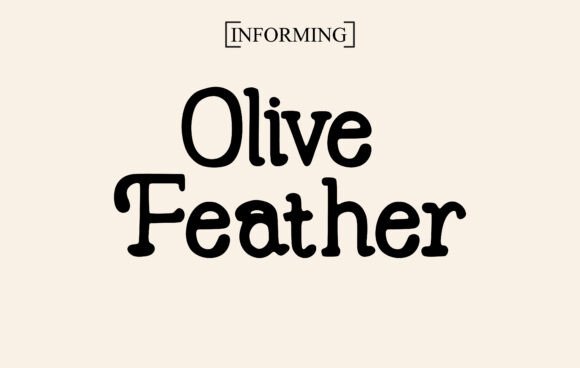
Olive Feather is a modern sans-serif font with subtle yet expressive features. Its clean lines and balanced proportions ensure readability at all sizes, making it suitable for both body text and attention-grabbing titles. The font’s unique character set includes open apertures and soft curves that give it an approachable yet professional look. These design elements make Olive Feather stand apart from generic fonts while maintaining a sense of sophistication.
One of the most notable aspects of Olive Feather is its typographic harmony. Whether used in a short headline or a long paragraph, the font maintains a consistent tone and rhythm. This balance is especially valuable for designers who need to maintain visual consistency across multiple platforms or formats. Additionally, Olive Feather supports a broad range of languages and includes stylistic alternates, ligatures, and other OpenType features that enhance its usability in international contexts.
Advantages in Various Design Contexts
The versatility of Olive Feather allows it to be applied effectively in diverse settings. In editorial design, such as magazines and newspapers, it performs well as both a headline and body font. Its clarity ensures that readers can easily navigate content without straining their eyes, while its bold versions command attention when used for section titles or pull quotes.
In branding and marketing, Olive Feather brings a contemporary edge that aligns with modern aesthetics. Companies seeking a fresh, minimalist identity often find this font appealing due to its neutrality and adaptability. It works particularly well in logo designs, packaging, and promotional materials where legibility and style must coexist seamlessly.
For social media and web content, Olive Feather offers a crisp, responsive appearance that adapts well to different screen sizes. As users increasingly consume content on mobile devices, having a font that remains clear and readable on smaller screens is essential. Olive Feather meets these demands by maintaining its integrity across platforms, ensuring that messages remain impactful regardless of where they appear.
Use Cases for Olive Feather
- Magazine Headlines: Olive Feather’s bold variations are perfect for grabbing attention with striking headlines while keeping the overall layout cohesive.
- T-Shirt Designs: The font’s clean and modern look makes it an excellent choice for graphic tees, especially when paired with minimalistic visuals or abstract art.
- Wedding Invitations: With its refined and elegant appearance, Olive Feather adds a touch of class to formal stationery without feeling overly traditional.
- Business Cards: The font’s compact and legible structure ensures that contact information is easy to read and visually engaging.
- Website Typography: Used either as a primary or secondary font, Olive Feather contributes to a polished online presence and improves user experience through readability.
Why Olive Feather Is a Favorite Among Creators
Designers, illustrators, and content creators consistently choose Olive Feather for its ability to complement a wide array of styles. Unlike some fonts that feel too rigid or too playful, Olive Feather strikes a middle ground—offering enough personality to make a statement while remaining flexible enough to suit multiple purposes. Its neutral tone also makes it a great base for experimenting with color, spacing, and alignment in visual compositions.
Another reason Olive Feather is favored is its performance in both high-contrast and low-contrast environments. Whether printed in black ink on white paper or displayed in light gray on a dark background, the font retains its clarity and impact. This adaptability is crucial in today’s multi-platform design world, where content must look good everywhere it appears.
Practical Examples of Olive Feather in Action
Consider a lifestyle blog that uses Olive Feather as its primary font. The font’s readability helps keep visitors engaged with long-form articles, while its bold version draws attention to featured posts and calls-to-action. Similarly, a boutique clothing brand might use Olive Feather for its product tags and website copy, giving customers a consistent and stylish visual experience.
In educational materials, Olive Feather proves useful for both students and educators. Textbooks, e-learning modules, and presentation slides benefit from the font’s legibility, reducing cognitive load and helping learners focus on the content rather than struggling to decipher the text. Teachers appreciate how the font supports clear communication, especially in digital learning environments where typography plays a key role in comprehension.
Graphic designers working on event posters or promotional flyers often turn to Olive Feather for its ability to convey professionalism and creativity simultaneously. The font’s clean structure prevents cluttered layouts, while its subtle elegance adds a layer of sophistication that appeals to a broad audience.
Comparisons and Considerations
When compared to similar sans-serif fonts like Helvetica or Arial, Olive Feather distinguishes itself with a slightly more humanist feel. While those fonts are widely used for their neutrality, Olive Feather introduces gentle nuances that make it more expressive without compromising legibility. This characteristic positions it as a preferred option for brands looking to establish a distinct voice through typography.
However, not every project will be a match for Olive Feather. For highly formal or traditional settings, a serif font may still be more appropriate. Similarly, in very casual or youthful contexts, a script or decorative font could better reflect the desired tone. Understanding the context and purpose of a design project is key to determining whether Olive Feather is the right choice.
Accessibility should also be considered when using Olive Feather. While the font is generally easy to read, it’s important to ensure proper contrast ratios and line spacing when applying it in digital formats. These small adjustments help maintain inclusivity and ensure that all users can access the content comfortably.
How to Integrate Olive Feather Into Your Workflow
- Font Licensing: Before using Olive Feather in commercial projects, verify its licensing terms to ensure compliance. Many high-quality fonts require proper attribution or payment for usage in specific contexts.
- Pairing Suggestions: Olive Feather pairs well with both serif and sans-serif fonts. For a classic look, try combining it with a traditional serif like Georgia or Garamond. For a more modern aesthetic, pair it with a geometric sans-serif such as Montserrat or Lato.
- Testing Across Media: Always test Olive Feather in your intended environment—whether on screen, in print, or as part of a larger visual composition. This step ensures that the font performs optimally under different conditions.
- Customization Options: If available, explore Olive Feather’s stylistic sets and alternate glyphs to tailor the font to your specific needs. These options allow for greater personalization without sacrificing consistency.
Trends and Future Relevance
As design trends evolve toward minimalism and functionality, fonts like Olive Feather become increasingly valuable. They offer the necessary simplicity for modern interfaces while retaining enough character to avoid appearing bland. In 2024 and beyond, we’re seeing a growing preference for fonts that balance form and function, and Olive Feather fits this trend perfectly.
Moreover, with the rise of remote work and digital-first content creation, the demand for fonts that perform well across devices has never been higher. Olive Feather’s responsiveness and cross-platform compatibility position it as a forward-thinking choice for professionals adapting to new workflows. Its popularity among UX/UI designers and marketers reflects its relevance in shaping digital experiences that are both beautiful and functional.
Expert Insights and Observations
Typography experts emphasize that the best fonts are those that support the message without overshadowing it. Olive Feather achieves this by providing a neutral but refined backdrop for content. According to recent studies, legibility and emotional resonance are two of the top factors influencing reader engagement. Olive Feather excels in both areas, offering a design solution that is both practical and emotionally engaging.
Users have also noted the font’s ease of use in design software. Its smooth rendering and extensive language support reduce the need for last-minute font substitutions, which can disrupt the flow of a project. For hobbyists and beginners, this reliability is invaluable, allowing them to focus on creativity rather than technical troubleshooting.
Final Thoughts on Olive Feather
Whether you’re designing a corporate brochure, crafting a social media campaign, or preparing educational materials, Olive Feather offers a compelling blend of style and substance. Its thoughtful design, adaptability, and strong typographic foundation make it a true favorite among creatives. By choosing Olive Feather, designers and developers alike can elevate their projects with a font that balances beauty and utility in equal measure.
As we continue to navigate a visually driven world, the importance of selecting the right font cannot be overstated. Olive Feather is more than just a font—it’s a tool that empowers communication, enhances user experience, and supports creative innovation. When used thoughtfully, it can take your ideas from concept to execution with clarity and confidence.