Texture Foliage: A Playful Font for Creative Projects
If you're a crafter, designer, or someone who loves to add personality to their DIY projects, you’ve probably come across the font Texture Foliage. Known for its whimsical charm and soft, hand-drawn feel, this font brings warmth and creativity to just about any design. Whether you're making stickers, greeting cards, or working on digital planner layouts, Texture Foliage can be a game-changer in how your project looks and feels.
What Makes Texture Foliage Unique?
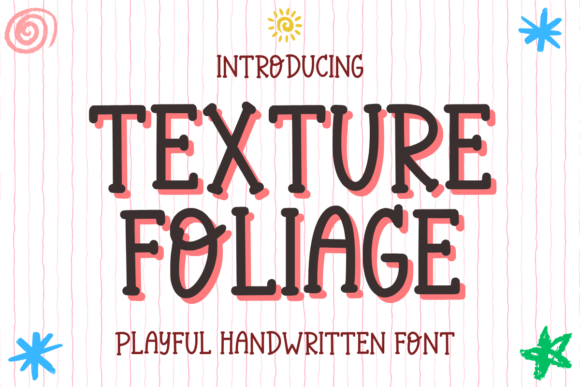
Texture Foliage is a decorative typeface that mimics the look of natural textures and foliage patterns. Its name hints at the organic, leafy vibe it carries—each letter seems to have a gentle flow, as if it were sketched by hand with a little bit of nature woven into it. This gives the font a soft, approachable appearance that's perfect for adding a personal touch to your work.
The subtle imperfections in the strokes and the delicate flourishes make it stand out from more rigid, modern fonts. It’s not just about looking cute—it also evokes a sense of playfulness and carefree creativity. This makes it ideal for projects where the goal is to create something that feels handmade, heartfelt, or just a little bit magical.
Real-World Uses for Texture Foliage
One of the best parts about Texture Foliage is how versatile it is. Let’s explore some real-world scenarios where it shines:
- Crafts and Stickers: If you’re designing stickers for your Cricut machine, Texture Foliage adds a charming aesthetic. Think of personalized birthday stickers, floral-themed water bottles, or even custom gift tags. The font works especially well when paired with pastel colors or botanical illustrations.
- Greeting Cards: For those who love card-making, using Texture Foliage in handwritten-style quotes or titles can give your cards a unique flair. It's particularly effective for thank-you notes, baby showers, or wedding invitations with a rustic or vintage theme.
- Digital Planners: Many people use digital planners for time management and productivity. Texture Foliage can be used sparingly in headers or decorative elements to add visual interest without overwhelming the layout. It helps break up monotony and keeps the design feeling fresh and inviting.
- KDP Products: If you're creating designs for Kindle Direct Publishing (KDP), such as book covers or interior illustrations, Texture Foliage can help set the tone. It’s great for children’s books, self-help guides with a cozy vibe, or anything that needs to feel welcoming and warm.
- Sublimation Projects: When using sublimation printing on mugs, tumblers, or apparel, the right font can elevate the entire product. Texture Foliage adds an artistic edge, especially when combined with nature-inspired graphics or motivational phrases.
- Wedding Invitations and Stationery: Couples planning weddings often seek elegant yet unique fonts. Texture Foliage can be used in place names, floral accents, or even as part of the return address label. Its soft curves and natural feel align perfectly with bohemian or garden-themed weddings.
Who Can Benefit from Using Texture Foliage?
Texture Foliage isn’t just for one specific group of users. Here are a few different audiences that might find it particularly useful:
- Crafters and Artists: Anyone who enjoys making things by hand will appreciate the font’s ability to mimic a personal touch. It’s commonly used in scrapbooking, paper crafts, and mixed-media projects.
- Designers and Makers: Independent designers who sell products online or through marketplaces like Etsy can use Texture Foliage to differentiate their branding. It adds a creative flair that stands out in crowded niches.
- Teachers and Educators: Classroom decorations, student awards, or printable resources benefit from a friendly font. Texture Foliage can make educational materials feel less formal and more engaging for younger learners.
- Entrepreneurs and Small Businesses: If you run a small business focused on wellness, home décor, or lifestyle products, this font can help reinforce your brand identity. It’s often used in packaging labels, social media posts, and promotional banners.
- Event Planners: From baby showers to bridal events, Texture Foliage offers a soft, elegant look that fits many event themes. It’s frequently used in signage, menus, and programs for added visual appeal.
When to Use Texture Foliage Thoughtfully
While Texture Foliage is undeniably adorable, it’s important to use it wisely. Because it’s a decorative font, it may not be the best choice for long blocks of text. However, it excels in short phrases, headings, and accent areas.
For example, when designing a planner page, you could use Texture Foliage for the title “Morning Routine” while keeping the bullet points in a clean sans-serif font. This contrast helps maintain readability while still giving your design character.
Also, consider the context. If you're creating something for a professional audience or a formal setting, Texture Foliage might not be the most appropriate choice. But if you're going for a relaxed, artistic, or personal vibe, it's hard to beat.
Pairing Texture Foliage with Other Fonts
To avoid a cluttered look, it’s common to pair Texture Foliage with simpler, more readable fonts. Popular combinations include pairing it with Montserrat, Raleway, or Open Sans for body text. These pairings let Texture Foliage shine as a headline or accent font while ensuring the rest of the content remains easy to read.
Another tip is to adjust the size and spacing. Since Texture Foliage has a lot of detail, using it in smaller sizes can sometimes cause the characters to become too busy. Try scaling it up slightly and giving it a bit of extra leading (space between lines) to keep the design clean and legible.
Strengths and Limitations of Texture Foliage
Like any font, Texture Foliage has its pros and cons. Here’s a quick breakdown to help you decide whether it’s the right fit for your next project:
Strengths
- High Visual Appeal: The font is eye-catching and immediately conveys a creative, artistic vibe.
- Perfect for Decorative Text: Ideal for titles, logos, and other non-body text elements where aesthetics matter more than strict readability.
- Works Across Mediums: It performs well in both digital and print formats, especially when used with tools like Cricut or Silhouette.
- Great for Branding: If your brand focuses on nature, mindfulness, or handmade goods, this font can enhance your overall visual identity.
Potential Limitations
- Not Ideal for Long Text: Because of its decorative style, it’s not suited for paragraphs or large amounts of text. Save it for headlines or callouts.
- May Not Be Accessible for All Readers: Some letters can appear similar at first glance, which may affect clarity for certain audiences. Always test your designs for accessibility.
- Requires Careful Use: Overuse can lead to a cluttered or overly stylized look. Less is often more when using decorative fonts like Texture Foliage.
How to Get the Most Out of Texture Foliage
If you’re new to using Texture Foliage, here are a few practical tips to help you integrate it effectively into your projects:
- Use it Sparingly: Apply it only where needed to highlight key phrases or create focal points. This prevents the design from becoming visually overwhelming.
- Experiment with Colors: Light pastels like mint green, blush pink, or lavender complement the font’s natural feel. You can also try darker tones for bolder statements.
- Layer with Graphics: Pair it with leaf motifs, floral borders, or hand-drawn illustrations to enhance the organic aesthetic it brings to the table.
- Test Print Quality: Before finalizing a print project, check how the font looks in high-resolution. Some decorative fonts can lose quality when scaled down or printed poorly.
Where to Find Texture Foliage
Texture Foliage is typically available on font marketplaces like Creative Market, MyFonts, or Google Fonts. Make sure to verify licensing before using it for commercial purposes, especially if you plan to sell items like greeting cards or KDP products featuring the font.
Some platforms offer free versions of similar fonts, but if you want the full Texture Foliage experience, purchasing the premium version ensures you get all the glyphs, ligatures, and stylistic variations you need for professional-grade work.
Final Thoughts on Texture Foliage
Texture Foliage is more than just a pretty font—it’s a tool that can transform your creative projects. Whether you're cutting vinyl for a sign, designing a sticker sheet, or laying out a planner page, this font brings a sense of joy and individuality to your work.
Its strengths lie in its ability to evoke emotion and style, making it a favorite among crafters, artists, and small business owners. Just remember to use it thoughtfully, pair it with complementary fonts, and always consider your audience’s needs and preferences.
So, the next time you're brainstorming a new design and looking for something that feels a little more personal, take a closer look at Texture Foliage. You might just find the perfect voice for your project.